
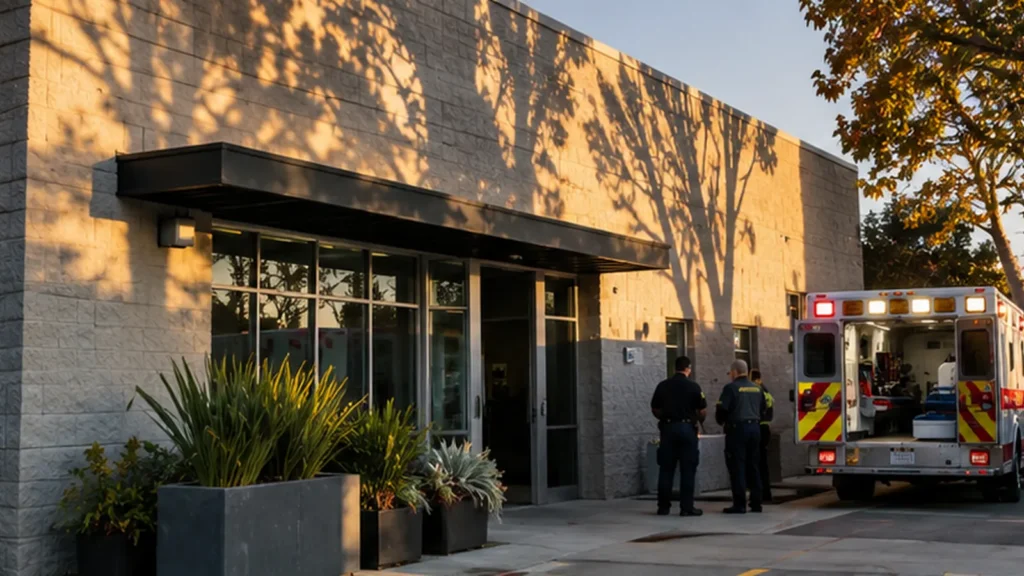
Filmmaker Michael Mann was hospitalized after an accidental firearm discharge at a Los Angeles shooting range on October 31, 2026. The director, known for Heat, Collateral, and Ferrari, sustained an injury to his leg while at the facility. His representative later described the wound as superficial, and the Los Angeles Police Department confirmed that the shooting was accidental. The incident quickly attracted entertainment coverage, followed by reports of Mann’s first public appearance after treatment.
The Michael Mann gun range accident raises questions about what occurred, how emergency responders handled the situation, and what a firearms-related accident might mean legally. Importantly, an accidental injury does not automatically establish wrongdoing by a facility, an instructor, or the injured person. Here is what the available reporting actually confirms and what remains unknown.
What Happened to Michael Mann on October 31?
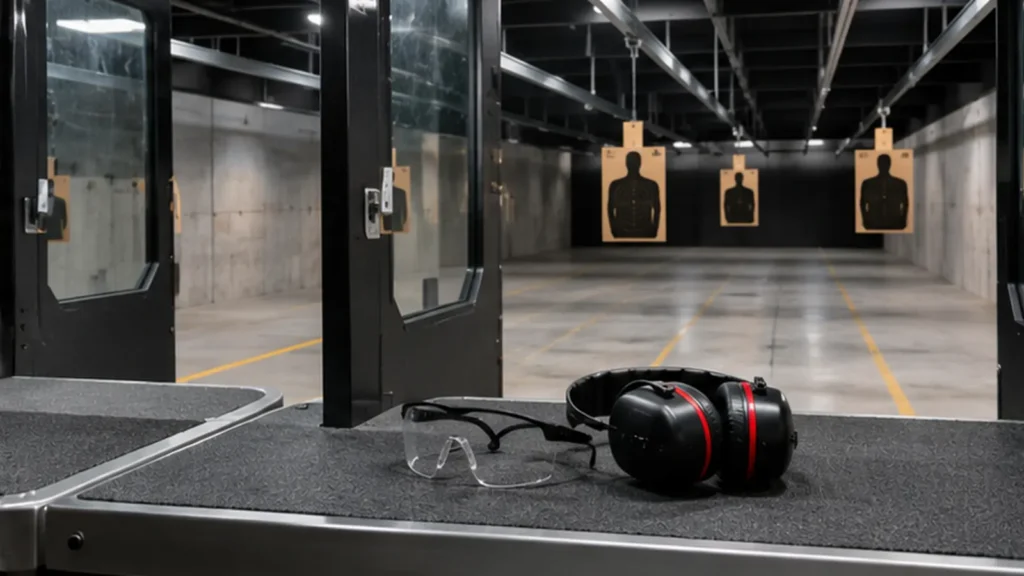
According to ABC News’ November 1 report, Mann was at a members-only indoor range in West Los Angeles when a firearm discharged as he was holstering it. Law enforcement sources told ABC that the discharge injured his left thigh. His representative did not publicly provide a detailed medical diagnosis, describing the injury instead as superficial.
Police responded around 4 p.m. to a call involving shots fired in the 11100 block of Missouri Avenue. ABC reported that staff members offered assistance before paramedics transported Mann to a hospital. Officers characterized the episode as accidental, not an intentional shooting. Accounts published afterward identified the location as The Range LA, an indoor shooting club in the West Los Angeles area.
How Serious Were His Injuries?
Mann’s publicist said the injury was superficial and that he had been treated and was being released. The Associated Press reported that the filmmaker, then 83, received hospital treatment after the incident. Police and news accounts also described him as stable and his injury as not life-threatening.
A superficial injury may still require professional assessment, particularly when a projectile is involved. However, the available statements do not support claims about extensive surgery, permanent disability, or a particular recovery timeline. Those outcomes should not be assumed merely because the incident involved a gunshot.
What Did the Los Angeles Police Department Say?
The police account matters because it distinguishes an unintentional discharge from a deliberate act of violence. NBC Los Angeles reported that officers determined the incident to be accidental after responding to the gun range. ABC likewise quoted an LAPD statement saying Mann was taken to a hospital in stable condition and that an injury report was completed.
An injury report is not the same as a criminal charge, a civil lawsuit, or a finding of negligence. None of the reports reviewed established that another person intentionally fired at Mann, and the available accounts do not identify charges stemming from the incident. That distinction is important when a well-known person’s accident spreads quickly across social media.
What Is Known About Mann’s Recovery?
The initial updates focused on hospital treatment and his representative’s reassurance. A further report appeared on November 4, when Parade described photographs published elsewhere that appeared to show Mann in Los Angeles on November 3 using crutches and wearing orthopedic support around his left foot.
The appearance suggested he was moving around following the accident, but photographs alone cannot establish his medical prognosis, the exact treatment he received, or when he might fully recover. There was no confirmed public announcement in the reviewed coverage that he had stopped working on any particular film because of the injury.
Readers interested in how another public figure described the aftermath of a serious accident can also read CelebrityAccidents.com’s coverage of Minnie Driver’s car accident and recovery. Both stories show the importance of separating immediate reports from later updates about a person’s health.
Why Is This Accident Receiving So Much Attention?
Michael Mann has spent decades making influential crime dramas and action-oriented films. His credits include Thief, Heat, Collateral, and the racing biographical film Ferrari. Because his films often feature intense, highly detailed sequences, news of a real-life incident involving a firearm quickly drew attention.
The connection between Mann’s filmography and the accident makes a memorable headline, but it does not reveal anything about how the event happened. Professional familiarity with the depiction of weapons in film is not evidence of responsibility for an unrelated shooting-range incident. TheWrap’s coverage also noted that Mann has been an experienced target shooter and has continued developing film projects.
What Safety Issues Can an Indoor Range Accident Raise?
An accidental discharge can prompt a review of the environment, training, range policies, available medical supplies, and how quickly assistance was provided. These are general areas of inquiry, not findings about Mann’s case. The information published so far does not demonstrate that The Range LA violated any safety standard or that its staff contributed to the injury.
For a facility serving the public or private members, incident documentation can matter after an unexpected injury. Relevant records might include emergency calls, staff statements, surveillance footage where available, and contemporaneous reports. Such evidence could clarify the sequence of events without relying on speculation.
Could a Gun Range Injury Lead to a Legal Claim?
In a hypothetical case involving a shooting-range injury, an injured person could explore whether another party owed a duty of care, breached that duty, and caused measurable harm. The analysis might involve premises liability, negligent supervision, equipment-related issues, or other legal theories, depending on verified facts and applicable California law.
None of those possibilities amounts to an allegation against anyone in Mann’s accident. Public reporting does not establish that he filed a civil claim or that a range employee committed misconduct. An accident’s classification as unintentional does not resolve every possible civil question, but neither does the existence of an injury prove negligence.
For a broader explanation of how responsibility may be shared when more than one person’s actions contribute to an accident, see our guide to comparative fault in celebrity accident lawsuits. Its principles are general background, not a conclusion about Mann or the shooting range.

How Public Reaction Can Affect Coverage
Celebrity incidents often spread through abbreviated social posts that remove important context. One account may focus on hospitalization, another on an accidental discharge, and a third on crutches days later. All three may describe different parts of the same event, yet they can create very different impressions when presented alone.
TMZ initially reported the accident and later included the representative’s statement. Later outlets added police confirmation and details about Mann’s appearance after treatment. That sequence shows why source attribution and publication dates are essential in celebrity accident reporting.
Our related article on the role of public opinion following a celebrity accident examines how fast-moving narratives can affect perceptions of responsibility. In Mann’s case, the verified information supports describing the event as an accident, not assigning blame without evidence.
What Happens Next?
As of November 7, 2026, the reviewed public accounts describe a nonfatal accidental injury, medical treatment, and a later public sighting. They do not establish a pending lawsuit, criminal prosecution, or official finding that another person or business caused the discharge.
Final Thoughts
Michael Mann’s October 31 accident demonstrates how quickly an everyday activity can become a breaking celebrity news story. The available reporting indicates that a firearm discharged unintentionally at a West Los Angeles range, causing a leg injury for which Mann received hospital treatment. Police deemed the event accidental, and subsequent coverage described his recovery in public.
The most useful takeaway is not speculation about blame. It is the value of prompt medical attention, careful incident reporting, and distinguishing confirmed facts from unproven legal conclusions. For additional coverage of high-profile injuries and the legal questions they can raise, explore CelebrityAccidents.com’s latest articles.