
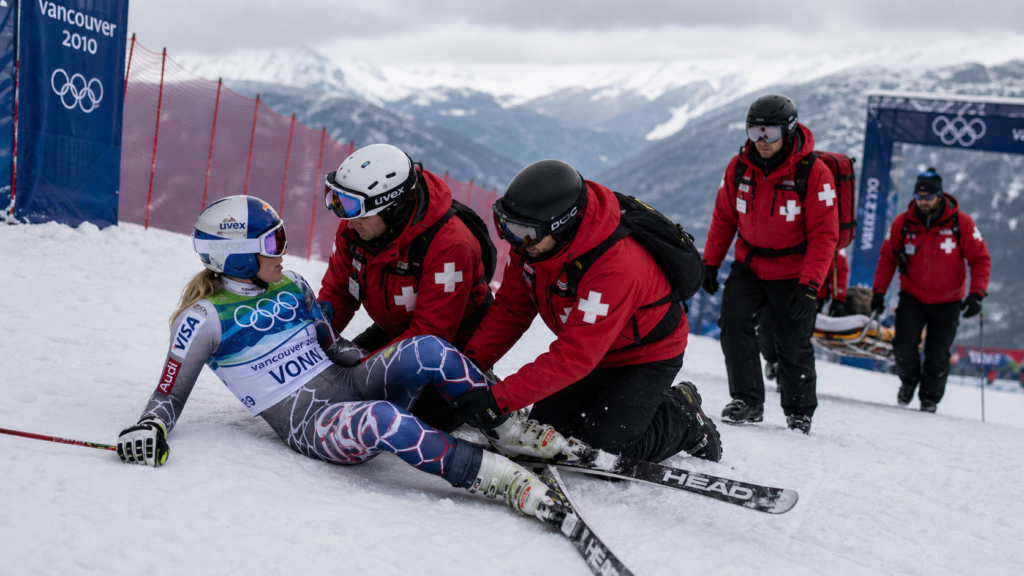
Lindsey Vonn’s Olympic crash became one of the most talked-about sports injury stories of 2026. The skiing legend suffered a severe leg injury during the women’s downhill event at the Milano Cortina Winter Olympics, then returned to public attention months later at the Met Gala. Her recovery has raised fresh interest in athlete safety, medical response, public pressure, and the risks behind elite competition.
What Happened During Lindsey Vonn’s Olympic Crash?
Lindsey Vonn’s crash happened during the women’s downhill event at the Milano Cortina 2026 Winter Olympics. According to Olympics.com, Vonn sustained a complex tibia fracture after the crash and faced further surgery while recovering in a hospital in Treviso, Italy.
The injury quickly became a major sports headline because Vonn is one of the most recognizable alpine skiers in the world. Her return to Olympic competition already carried major public attention, and the crash added a difficult new chapter to her long history of competitive injuries.
Reports later stated that Vonn also dealt with compartment syndrome, a serious condition where pressure builds inside muscle compartments and can restrict blood flow. Olympics.com reported that Vonn confirmed she suffered injuries involving her tibia, fibula head, and tibial plateau, along with compartment syndrome that nearly led to amputation.
Why This Injury Drew So Much Attention
Celebrity sports injuries often become bigger than the event itself. Fans are not only watching the game or race. They are also watching the human story behind it. In Vonn’s case, the public reaction was intense because her crash involved several emotional layers.
First, Vonn had already retired before making a dramatic return to skiing. Second, she was competing at the Olympic level at age 41, which made her comeback especially notable. Third, the injury was not a minor setback. It involved emergency medical care, multiple procedures, and a recovery process that Vonn herself described as long and difficult.
Public interest grew again when Vonn appeared at the 2026 Met Gala. Vogue reported that she stood on her own feet less than three months after the catastrophic crash. Harper’s Bazaar also covered her appearance, noting that it marked a powerful return to the spotlight after the injury.

The Medical Side of a High-Speed Skiing Injury
Downhill skiing is one of the fastest and most dangerous Olympic sports. Athletes travel at extreme speeds while navigating turns, terrain changes, and pressure from the clock. When a crash occurs, the force can be severe.
In Vonn’s case, the reported injuries were complex. A tibia fracture alone can require major orthopedic care. When combined with additional fractures and compartment syndrome, the situation becomes more urgent. ABC News reported that Vonn discussed a complex tibia fracture, fibular head fracture, tibial plateau fracture, and compartment syndrome.
Compartment syndrome can become a medical emergency because the pressure inside the leg can interfere with circulation. Treatment may involve a fasciotomy, a procedure that relieves pressure and helps protect tissue. This type of injury helps explain why Vonn’s crash became a major health story, not just a sports story.
How Emergency Response Shapes Athlete Outcomes
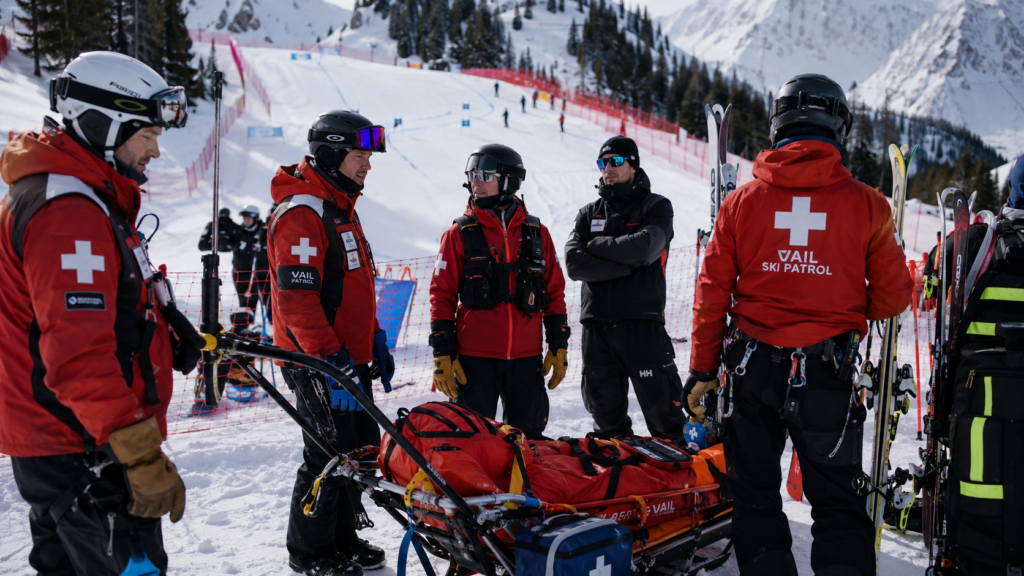
When a serious accident happens during a major sporting event, response time matters. Medical teams, event organizers, and venue staff all play a role in stabilizing the athlete and coordinating care. The public often sees only the crash and the aftermath. Behind the scenes, many decisions may affect the athlete’s outcome.
Olympic events usually involve detailed safety planning. Courses are inspected, medical crews are positioned near high-risk areas, and emergency transport plans are prepared before events begin. Still, high-speed sports carry risks that cannot be fully removed.
Vonn’s case shows why emergency medical planning remains a key part of elite sports. A fast response can help reduce complications, especially when injuries involve fractures, blood flow, nerve pressure, or internal trauma.
Could There Be Legal Questions After a Sports Accident?
Not every sports injury creates a legal claim. Competitive athletes often accept certain known risks when they participate in high-speed or contact sports. This is commonly known as assumption of risk. However, serious incidents can still raise legal and safety questions depending on the facts.
Possible questions may include whether the course was properly maintained, whether safety barriers were adequate, whether the event followed required protocols, and whether medical response plans were properly executed. These questions are fact-specific and depend on event rules, governing bodies, contracts, and local law.
For readers interested in how public reaction can affect legal strategy after a high-profile incident, see our related article on public opinion after a celebrity accident. It explains why major incidents involving famous figures are often debated in both legal and media spaces.
Why Lindsey Vonn’s Met Gala Appearance Became Part of the Story
Vonn’s 2026 Met Gala appearance became more than a fashion moment. It was a visible recovery milestone. After reports of serious fractures, surgeries, and near-amputation concerns, seeing her appear publicly sent a strong message about her progress.
Vanity Fair described the appearance as her first major public appearance after the crash. Coverage focused not only on her outfit but also on the symbolism of walking again after such a severe injury.
Celebrity recovery stories often connect with audiences because they show vulnerability behind fame. Vonn’s public image has long been tied to strength, speed, and toughness. Her post-crash recovery added a different kind of strength, one centered on patience, medical care, and rehabilitation.
The Pressure Athletes Face After Serious Injuries
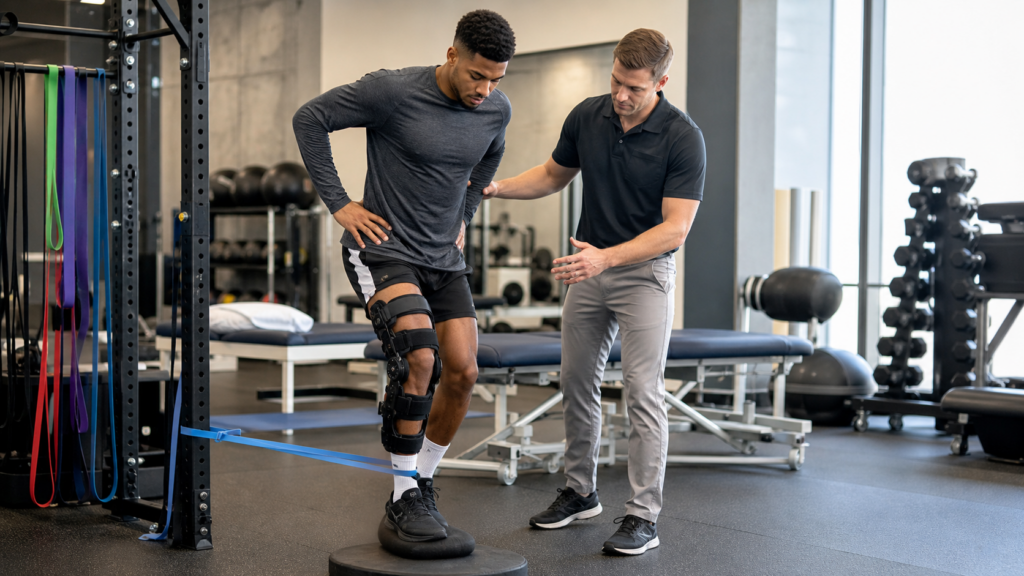
Elite athletes often face pressure to return quickly after an injury. Fans want updates. Sponsors watch closely. Media outlets track every public appearance. For a celebrity athlete like Vonn, recovery can become a public timeline.
This pressure can be difficult. Serious fractures and surgeries may require months or even years of recovery. Physical therapy, pain management, mobility limits, and emotional stress can all become part of the process.
Vonn’s story reminds readers that a visible appearance does not always mean a recovery is complete. Walking a red carpet, standing for photos, or sharing a positive update can be meaningful, but the medical process may still be ongoing.
How Fans Reacted to Lindsey Vonn’s Recovery
Fans responded strongly to Vonn’s return because her crash was frightening and her recovery appeared remarkable. Many praised her resilience. Others focused on the risks athletes take to compete at the highest level.
These reactions are common after celebrity accidents. People often feel connected to public figures they have watched for years. When a famous athlete suffers a major injury, fans may respond almost as if they know the person personally.
CelebrityAccidents.com has covered similar public interest in high-profile incidents, including the Tori Spelling car accident and child injury liability and the legal fallout surrounding the Britney Spears DUI arrest. These stories show how quickly celebrity incidents can become public conversations about safety, responsibility, and accountability.
What This Story Says About Celebrity Accident Coverage
The Lindsey Vonn Olympic crash is not only a sports story. It is also a celebrity accident story, a medical recovery story, and a public image story. That combination explains why it continues to trend months after the original crash.
When a high-profile person is injured, the public often wants more than a basic update. Readers want to understand what happened, what the injuries mean, what recovery may involve, and whether any safety questions remain.
This is where legal-minded accident coverage becomes useful. It can separate confirmed facts from speculation. It can also explain broader issues without turning a serious injury into clickbait.
Important Takeaways From Lindsey Vonn’s Olympic Crash
- Lindsey Vonn suffered a severe leg injury during the women’s downhill event at the 2026 Winter Olympics.
- Reports described a complex tibia fracture and complications involving compartment syndrome.
- Her recovery involved surgery and a long rehabilitation process.
- Her 2026 Met Gala appearance became a major public milestone after the crash.
- The incident renewed discussion about athlete safety, emergency response, and public pressure after celebrity injuries.
Conclusion
Lindsey Vonn’s Olympic crash was a serious and emotional moment in sports. Her injury involved major medical concerns, including complex fractures and compartment syndrome. Her later appearance at the Met Gala gave fans a visible sign of progress, but it also highlighted how long and difficult recovery from a severe athletic injury can be.
For celebrity accident coverage, this story stands out because it connects sports risk, medical response, public attention, and personal resilience. Vonn’s recovery may continue to draw interest, especially as fans watch for updates on her health, mobility, and future plans.
For more celebrity accident and legal insight coverage, visit the CelebrityAccidents.com homepage or read our feature on celebrity deaths and public tributes.